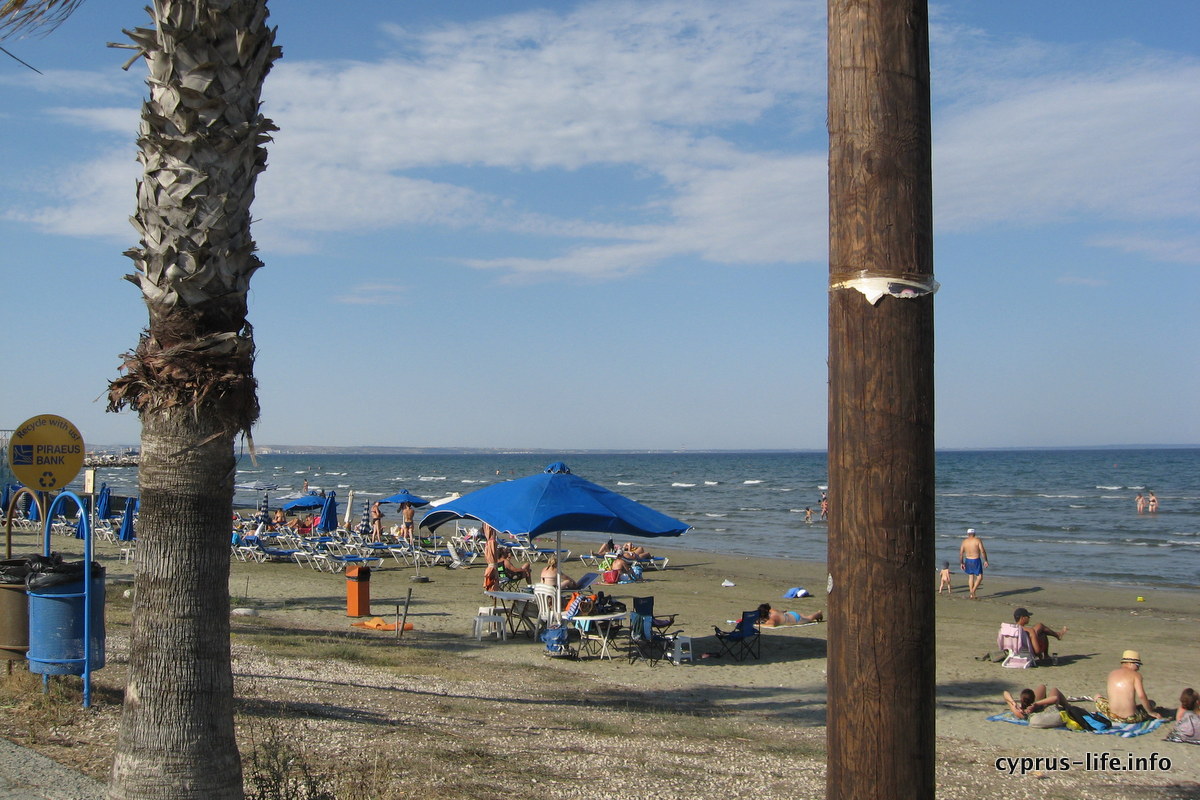
Living in Cyprus

We moved to Cyprus from the UK in October 1997. Our sons were 11 and 9 at the time, and we planned, originally, to stay here for two years. We rented a house with a large garden, and embarked on educating our sons at home temporarily, while we settled in. Nearly ten years later, we're still here, and the boys never did go to school. In 2006 we had to move out of our rental home, as it was being knocked down, so we sold our house in the UK and bought one here.

Now that Cyprus is in the European Union, more and more people - particularly Brits - are moving here long-term, sometimes after retirement. It's not a particularly cheap place to live (although housing is significantly less expensive than much of the UK) and the Summer weather isn't very pleasant, reaching 32-35C or more with high humidity. Hardly anything starts - or is completed - on time; supermarkets sometimes run out of imported products; driving is haphazard at times;  mosquitoes are a problem in the Spring and cockroaches in the Summer...  and when bizarre things happen, the local people shrug, smile wryly, and say, 'This is Cyprus!'

So what IS the appeal of this island?

It's a relaxing place to live, so long as you don't feel stressed about time.  The pace of life is slower than in much of Europe;  people still stop and chat, taking an interest in other people's lives.  It's pretty safe for children, too:  family life is still important, with grandparents often living with or close to their children and grandchildren.  We never worried if our sons were out late as teenagers, walking home from the town.  It's a great place for visitors, with beaches, nature walks, historic sites and tourist shopping galore, and we've very much enjoyed having many friends and relatives to stay over the years.   Besides all that, it's convenient for the Middle East and Northern Africa as well as some of Asia and most of Europe.

Working in Cyprus

Unless you are a  European citizen, you need a visa to stay for more than three months.  You also need a work permit if you want to do paid work in Cyprus. If you have been offered a job before coming, your future employer should be able to deal with this, or at least give you help and appropriate documents. Finding a job after you arrive may be difficult unless you are highly qualified, and fluent in Greek as well as English.  Foreign students (other than Europeans) are not permitted to work in Cyprus, despite what they are sometimes told before coming.  

The alternative to a work permit is to have sufficient income from elsewhere. For instance, if you are retired, or work as a freelance writer or artist, or own a good business, or have property that you rent out, and can prove that you have a regular income from a country outside Cyprus, then you may be able to get a visa on these grounds, although not a work permit. You will probably have to re-apply annually, each time ensuring that you have around £2000 in a Cyprus pounds bank account, and  statements showing regular income from abroad. If you are in this category, you will probably have to continue paying tax in your home country, and it will be illegal for you to do any paid work actually in Cyprus (unless you are a European citizen). 

Housing in Cyprus

Finding property to rent for a year or two is fairly easy, and considerably less expensive than in most of Europe. Property in Cyprus is usually owned by women, and passed down to daughters as dowry; hence there are plenty of houses and flats waiting for young girls to claim their inheritance. Long-term rentals are more difficult. Prices vary depending on area as well as kind of house, and also depending on who you know. It is sometimes best, on arriving, to take a short-term rental while looking out for something more suitable, and getting to know the local estate agents - who may then find you a better deal.

Buying property is possible, although you need written permission to do so; however this is generally granted without problems. Some people buy land and then have a house built to their specificiations; this may be the most inexpensive and satisfying solution, but be prepared for a long wait, since time schedules in Cyprus can be more Middle Eastern than European! For some ideas of prices in various places around the island,  explore the BuySellCyprus site.  

Cars in Cyprus

Importing a car is possible, but complicated and expensive if you want to keep it in the country for more than three months. You have to undergo a series of registration processes, which various officials will interpret differently! You will also have to pay various fees. Cyprus has left-side driving, so cars from mainland Europe or elsewhere with right-side driving would need to have the steering changed to the other side before being allowed to register the car for long-term usage. Buying a car is relatively easy, and tends to be less expensive than the UK, although the quality is variable.  

Cars must be taxed yearly and insured, as in most other countries of the world. The tax is due on the 1st January each year and can be paid at banks or co-operative societies or online; however the disc to be stamped and paid for is not usually sent until about February or March, so most people drive around with out-of-date tax discs for the first few months of each year!

MOT tests were introduced in the year 2000, starting with the very oldest vehicles still on the roads. Our first MOT was due in 2003, and is currently every other year while they still catch up on the backlog. There are many garages which can deal with car repairs and maintenance, and the MOT testing; however some are considerably better than others. As with many things in Cyprus, it's best to ask around and take personal recommendations. It took us a year or two to find a mechanic who we were happy with.

Weather in Cyprus

The Summers are well-known for being hot and humid, ideal for lounging on the beach, doing a little swimming, and taking a long siesta.  Winters are surprisingly cold.  For more detailed month-by-month information, see the page about weather in Cyprus.

Religion in Cyprus

The Greek Orthodox Church is the dominant faith in South Cyprus, but there is freedom of religion for all.  There are several Protestant Churches, some Catholic Churches, and a few adherents to other beliefs.  For more details, see the page about religion in Cyprus.

Education in Cyprus

If either parent is Cypriot, children are required to go to school, with no exceptions, until they have passed Year 9, or age 15. Most stay on until they are 18 and gain a high-school diploma, which is required before they can apply for university or a job. All the free schools are Greek-speaking, and  rigid in their curriculum. There are also private English-speaking schools, of varying price and quality.   The page Education in Cyprus gives more detail and links to some of the relevant sites.  

Foreigners sometimes choose to educate their children at home; at the time of writing there are about 15 families on the island who home educate, using various methods, according to the regulations (if any) of their home countries. To find out more about home education in general, see my other site, Home Education in the UK.

Food in Cyprus

There are plenty of supermarkets as well as smaller well-stocked bakeries and greengrocers, and one or two health-food shops. We have found that we can buy nearly anything we want. See the page on buying food in Cyprus for more information.  There is not the choice of processed or ready-made food that we tend to expect in Europe, but all the ingredients can be found to prepare most meals, including organic grains and legumes. Some things seem expensive compared to the UK, but other things are much cheaper; overall we find that our food bill has not changed much, so long as we are careful to buy fruits and vegetables in season, and take advantage of special offers.

Eating out is not too expensive, although the quality is variable. It's best to notice where the locals go! There are roadside stalls which sell excellent 'fast-food' souvlaki (kebabs in pittas) or hot dogs, as well as American-style fast-food places such as KFC or McDonalds, and a wide variety of more formal restaurants.   For more detail, see the page on restaurants in Larnaka.  The other cities have a similar selection. 

General information 

To find out more from others who have moved here, or to ask any questions, you might like to join one of the online forums which focuses on Cyprus, or read accounts of daily life here from the point of view of ex-pats.   There are links to some places where you can find these on the page about expat forums and blogs in Cyprus.

In addition, you can find plenty of information about subjects such as car hire, hotels, sailing and property at the Window on Cyprus site. Official government information can be found at the Republic of Cyprus site, including up-to-date news links and frequently asked questions about living here. There is also a lot of useful information, particularly geared towards tourists and visitors, at the Cyprus home page.

email address: sue in cyprus at cyprus hyphen life dot info
privacy policy - terms of use - about

Valid XHTML 1.0 Transitional

Made with Nvu

lemons on a tree in Cyprus

Silversmith in Lefkara

Carnival balloons

Kritou Terra walk

a popular bakery in Cyprus