Weather in Cyprus

Cyprus has fairly clear seasons, although Summer can seem extremely long to someone used to a milder climate. Widespread (and relatively inexpensive) air conditioning has made life much more pleasant in the hot, humid summers, in the past ten years or so. Winters are surprisngly chilly, and houses are often not built to cope with cold temperatures.

For a reasonably accurate ten-day forecast, the UK Weather site seems to be the best we have found.   Choose from:  Larnaca weather, Nicosia weather, Paphos weatherLimassol weather or (much colder, usually) Troodos weather.

Cyprus weather, month by month

January is usually the coldest month, with temperatures sometimes dropping as low as 3-5C overnight at sea level, and a chilly 10-12C during the daytime. People in older houses can find it difficult to stay warm enough during January,although there is often sunshine during the day making the outside warmer than inside, very often.   In the mountains it's much colder, with a fair amount of snow. 

Spring is on its way by about mid-February with the almond blossom which lasts only a few days. Temperatures are generally around 15-20C during the daytime, although there may be colder spells and some rain. The island usually looks very green by this time of year, after the winter rains, and wild flowers begin to bloom in wasteland and on the hills, although there is usually some snow still in the highest parts of the Troodos mountains. 

Spring in Cyprus

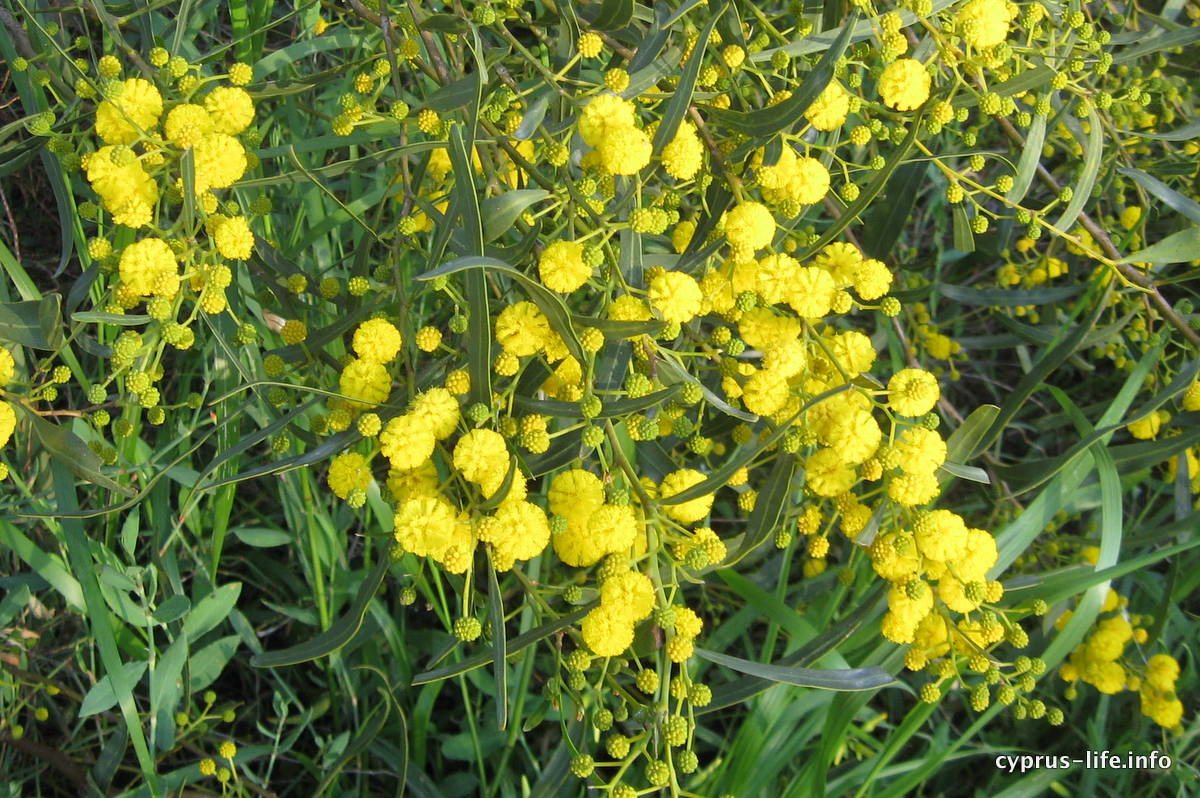
March is known as 'yellow month' in Cyprus - there are yellow coloured wild flowers almost everywhere at sea level, and delicious-smelling blossom on many trees. March can, surprisingly, be colder than February sometimes, although by the end of the month there is more predictable sunshine and much warmer nights. We usually switch off our central heating by the end of March, and move from a thick duvet at night to a medium one.

April is the perfect month for people used to British weather - the sun shines nearly every day, and the temperatures around the coast range from about 18-22C, usually. There can still be rain, often tropical heavy thunderstorms which may even contain hailstones, but which don't tend to last more than a couple of hours, after which the sun shines once more.  We still tend to wear long trousers and sweatshirts for most of April, but many tourists go around happily in tee-shirts and shorts.  

By May, the Cyprus weather begins to feel distinctly warm, much of the time.  There's more sunshine and less rain, although there can still be an unexpected storm, or a few overcast days.  We start thinking about switching to our thinnest duvet overnight at some point during May, and we mostly don't bother with sweatshirts, though we might put on light jackets in the evenings.   Summer is definitely on the way.  Temperatures generally range from about 20-28C during the daytime, 10-20C overnight.   There can be a brief heatwave with temperatures soaring up to 32C or more, but it doesn't usually last more than a couple of days. 

Summer in Cyprus

The start of June is usually the beginning of real Summer in Cyprus.   We switch from wearing jeans to shorts; we put the duvets away and use just sheets or duvet covers on the beds at night.  Rain is very unlikely from June until at least September, though not impossible.   By mid-June we reluctantly switch the air conditioning on in the middle of the day, and sometimes overnight too, although it's not as humid as later in the summer.  Daytime temperatures tend to range from about 25-30C, or a little more, and night-time temperatures around 15-22C.  

July is my least favourite month from the point of view of the weather in Cyprus.   Humidity is high, sunshine is almost constant, and temperatures range from about 30-36C during the daytime, 22-28 overnight.  We switch on the air conditioning in rooms we're using, particularly when there are computers (which don't tolerate 30C or more).  We also use air conditioning in the bedrooms at night, to reduce the humidity.   We have found that the optimum temperature to run the air conditioning is 28C (which is 82F);  this makes a room comfortable for both computers and humans, and the reduction of humidity makes it feel even cooler.  A lower temperature means that going outside feels even more unpleasant, and also costs more!  Many of the locals move to the mountains during the Summer, where the temperatures are always a few degrees cooler than those at sea level, and - more significantly - there is no humidity. 

By August, we begin to feel as if the end is in sight... temperatures are about the same as in July, but the humidity begins to drop, and of course the days also get shorter, meaning there is less sun.  August is a perfect month for bathing in the sea in late afternoon as the shadows lengthen, when the tourists have gone back to their hotels. 

Autumn in Cyprus

September remains warm, generally about 24-30C in the daytime, but the humidity has usually gone, making the weather in Cyprus feel more pleasant.  There's always the possibility of rain in September - clouds gather quite threateningly some days - but not usually very much.  The first rain brings people out in the street to cheer, and also brings a lot of dust from the roofs of the houses!    A few trees begin to shed their leaves, but there are few Autumnal colours in Cyprus.  Many trees have their own seasons quite distinct from the more traditional ones.  

October is usually still fairly warm, similar to April in temperature;  another ideal time for British tourists on holiday.  When we first arrived here at the end of October 1997 we thought it terribly hot, and were a bit shocked to learn that it was considered pleasantly cool at 25C or more.  Now we're acclimatised, we enjoy October, switching back from shorts to jeans and getting out the thin duvets to put on our beds. There's often a fair amount of rain in October - much needed,as by this time of year Cyprus looks very brown and dry after the drought of the Summer.

November usually starts pleasantly, then temperatures suddenly drop around the end of the first or second week, with increased rain and a feeling that the extended summer really has finished at last.  We find our sweatshirts and fleeces, and get out the medium weight duvets fairly quickly.  Temperatures  at the start of the month range from about 20-25C during the daytime, but by the end can be down to 15C or even lower.   Still, it doesn't feel cold in the sunshine during the daytime, and many tourists prefer Cyprus when the weather is like this.  

Winter in Cyprus

December is a variable month, often sunny during the daytime with temperatures of 10-15C, although it can be distinctly colder and the nights can get as low as 3-5C, though that's not common.  There may be several days of rain during December, and in the mountains of Troodos there's often some snow, though not enough to guarantee ski-ing.

email address: sue in cyprus at cyprus hyphen life dot info
living in Cyprus - privacy policy - terms of use - about

Valid XHTML 1.0 Transitional

Made with Nvu

Heavy rain in Cyprus in May

Makenzy Beach, Cyprus, in August

Larnaka beach, Cyprus, empty in December

storm clouds in Cyprus, November

yellow wild flowers bloom everywhere in Cyprus during March